
The Real Risks of General Anesthesia in Dogs (And How to Avoid Unnecessary Ones)
“It’s just anesthesia, it’s routine” is something a lot of pet parents hear right before handing their dog over for a dental cleaning. But if that sentence has ever made your stomach drop a little, you’re reacting to something real — not something irrational.
Let’s talk about what general anesthesia actually involves for your dog, and when it’s worth avoiding it altogether.
What Happens to Your Dog Under Anesthesia
A typical anesthetic dental procedure at a veterinary clinic involves:
- Pre-anesthetic bloodwork to check organ function
- Sedation and intubation — a breathing tube placed down your dog’s throat
- 4 to 8 hours of total time at the clinic, even though the actual cleaning takes 30–45 minutes
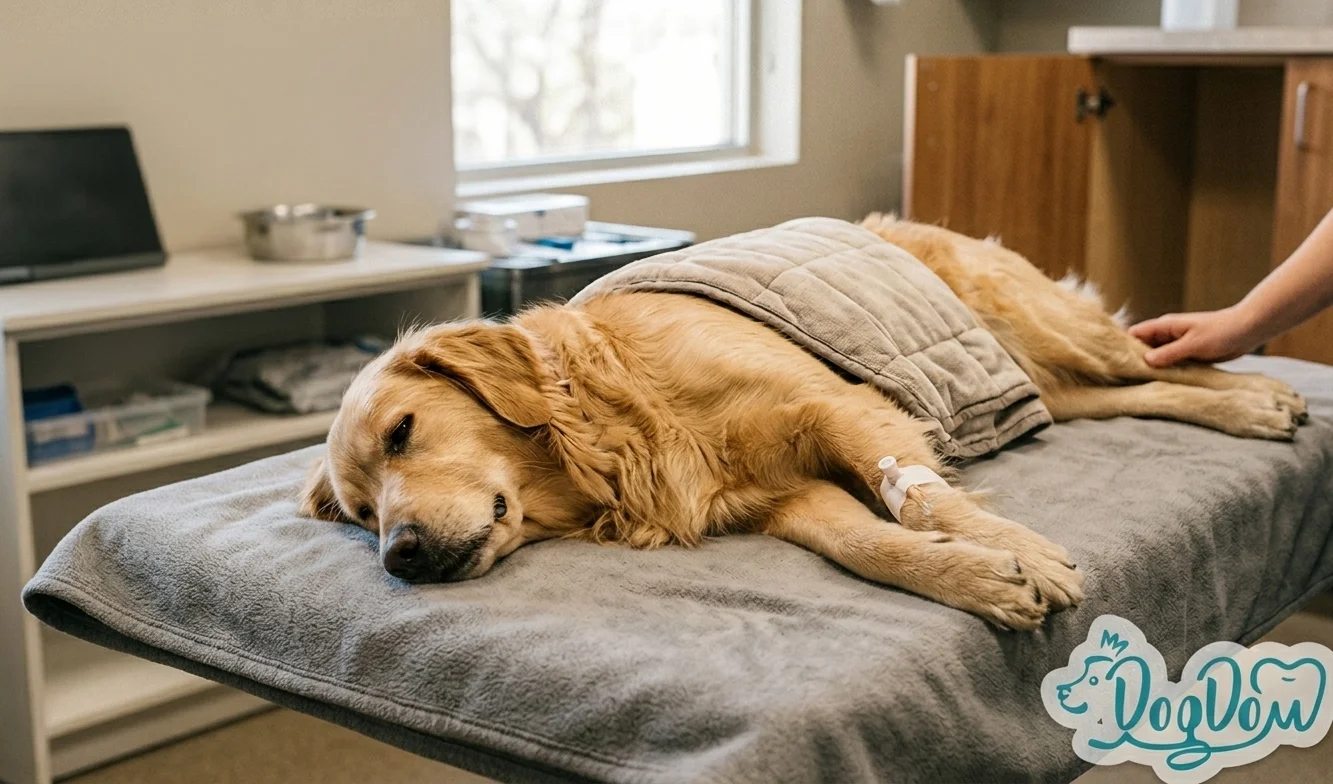
- 12 to 24 hours of recovery, during which your dog may be groggy, disoriented, or nauseous
- Continuous monitoring by a veterinary team throughout the procedure
None of this is done carelessly — veterinary teams take every precaution. But precautions exist because the risk, while statistically low, is real.
The Actual Risks, Explained Plainly
1. Reactions to anesthesia drugs. Every dog’s body responds differently. Rare but serious reactions — including cardiac and respiratory complications — can happen even in dogs who seem perfectly healthy.
2. Higher risk for specific dogs. Senior dogs, brachycephalic breeds (like Pugs, Bulldogs, and Boxers), and dogs with existing heart, kidney, liver, or respiratory conditions face meaningfully elevated risk under sedation.
3. Post-procedure complications. Nausea, disorientation, and in rare cases, prolonged recovery or complications from intubation.
4. The stress factor. Being separated from you, sedated by strangers, and waking up confused is genuinely stressful for many dogs — even if they can’t tell you that directly.
5. Cost as a hidden risk. Anesthesia-based cleanings often run $600–$1,200 due to bloodwork, monitoring, and staffing. That cost pressure sometimes leads pet parents to delay dental care altogether — which allows real dental disease to progress untreated. Ironically, avoiding the expensive option can end up worse for your dog’s health.
When Anesthesia Is Genuinely Necessary
To be clear — we’re not saying anesthesia is always avoidable, or that it’s never the right call. If your dog has:
- Advanced periodontal disease
- Broken or infected teeth requiring extraction
- Issues below the gumline that need X-rays to diagnose
- A condition that requires surgical intervention
…then anesthesia, performed by your veterinarian, is the appropriate and safest path. We’ll be the first to tell you that if we see it during an exam.
How to Avoid Unnecessary Anesthesia
The key word is unnecessary. Many dogs are put under anesthesia repeatedly for routine, preventive cleanings that don’t require it at all. Here’s how to break that cycle:
- Start preventive care early. Regular anesthesia-free cleanings (every 6 months or so) keep tartar from building up to the point where a deeper, anesthetized procedure becomes necessary.
- Brush at home between visits. Even 2–3 times a week makes a real difference.
- Choose anesthesia-free maintenance cleanings for dogs with mild-to-moderate tartar, especially seniors or anxious dogs.
- Save anesthesia for when it’s actually needed — real disease, extractions, or surgical work your vet identifies.
This is exactly the philosophy Dogdom is built on: mobile, anesthesia-free preventive cleanings that keep your dog’s mouth healthy enough that the riskier, more expensive procedure never has to happen in the first place.
The Bottom Line
General anesthesia isn’t dangerous because vets are careless — it’s inherently a bigger intervention than most routine dental cleanings actually require. The smartest path for most dogs is prevention: regular, gentle, anesthesia-free cleanings that catch problems early, paired with your veterinarian for anything that genuinely needs their expertise.
Curious if your dog is a good candidate for anesthesia-free cleaning? Get in touch with Dogdom — we’ll walk you through it honestly, no pressure.